NBA Underdog Betting Strategy: Profiting from Public Bias
 Available in US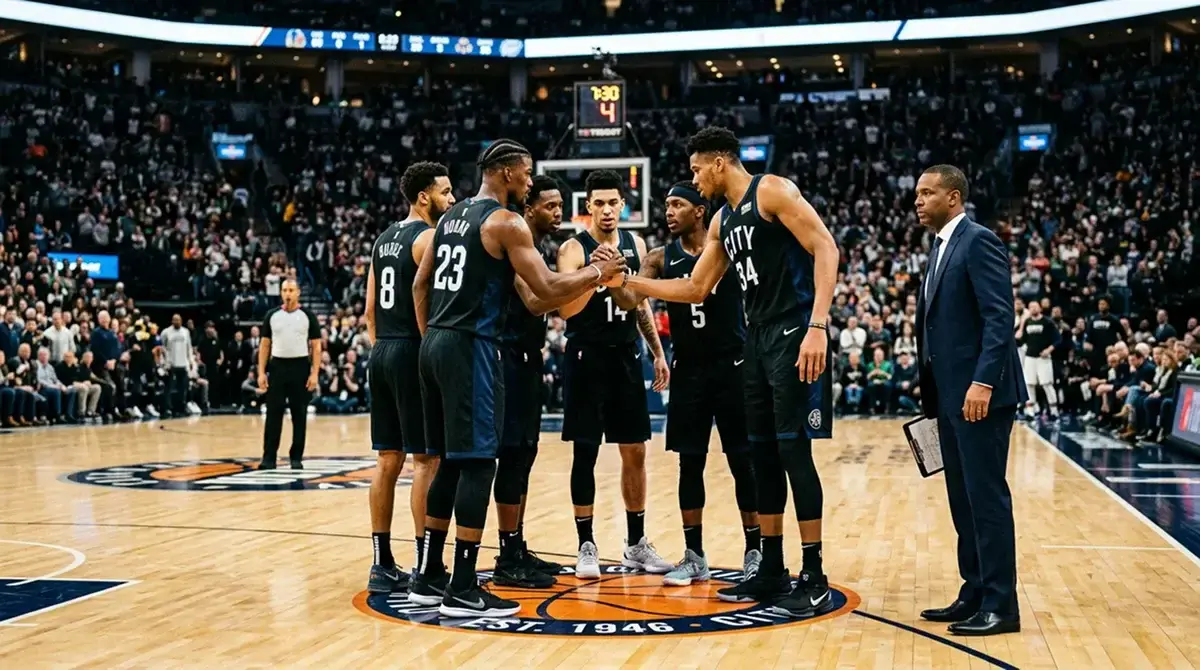
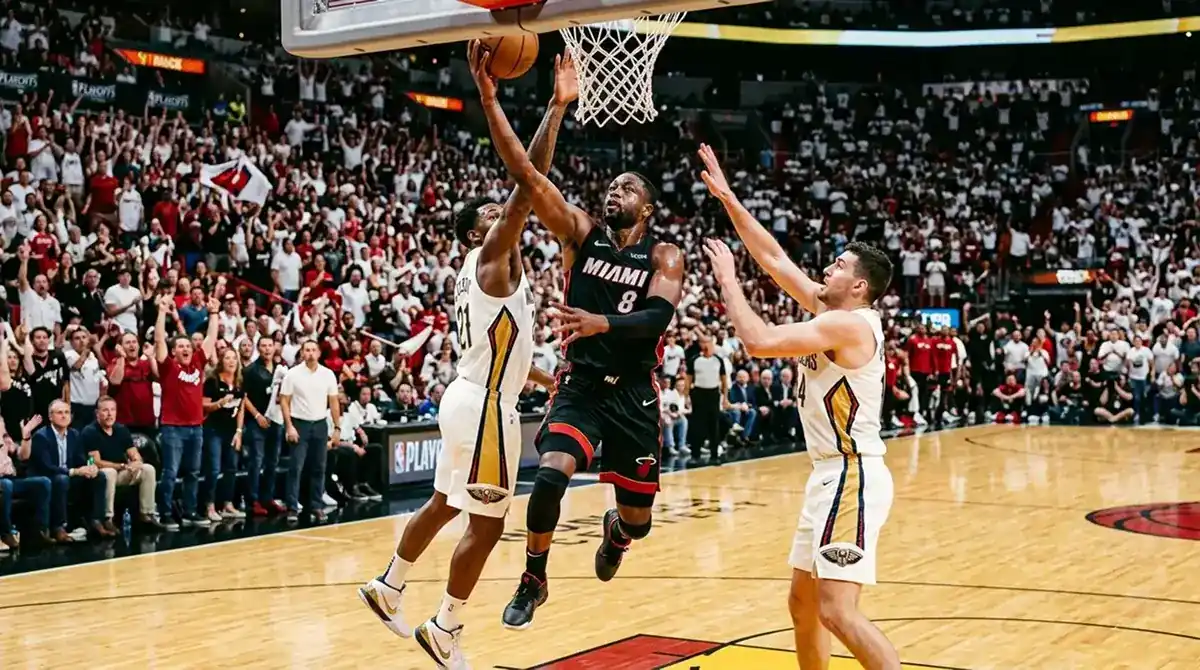
Backing dogs is a tough way to make a living. Most underdog bets lose. That is the actual definition of an underdog. The seductive trap of “value betting” is that bettors who hear about underdog edges go away and start backing every dog they see, lose 60 percent of those bets, and conclude that underdog strategy doesn’t work. What does not work is backing every dog. What does work is backing the specific dogs the public is mispricing.
In eight years on this desk I have made consistent money on dogs in three identifiable patterns. They are not secrets. They are structural in the way the market processes recreational money against the underlying probability of an upset. This is the working version of where those edges live.
Public Betting Bias on Big NBA Names
The first thing to understand is that NBA betting in the UK has matured fast. Sky Sports and Amazon Prime now share the broadcast rights under the league’s $77 billion media deal, with Sky on an 11-year contract from the 2025/26 season. Combined with NBA League Pass and a 52 percent rise in NBA app viewership in the UK, the audience watching games on a Tuesday evening is bigger and more invested than it was three years ago.
That audience bets, and the audience bets predictably. Recreational money concentrates on three things: famous franchises (Lakers, Warriors, Celtics, Knicks), star players (anyone with a signature shoe), and recent winners (whichever team is on a five-game streak). The bookmaker has to balance its book against that flow, which means the price on the underdog side of those matchups drifts longer than the underlying probability supports.
The mechanism is mechanical, not conspiratorial. The book sets the line based on its model. Bettors take one side disproportionately. The book moves the line to attract the other side. The line moves further than the model would justify because the imbalance is large. The result is that the underdog of a high-profile favourite is often priced at a moneyline that is two or three cents longer than the no-vig fair price – small in absolute terms, large enough to compound into real ROI for the bettor who systematically takes those dogs.
The honest read is that this edge has narrowed in recent seasons. As the UK audience has become more sophisticated, the public bias on big names has been partially absorbed by sharper recreational money. But it has not disappeared, and on primetime national-broadcast games it remains observable. The dog of a Lakers home matchup on a Sunday afternoon Sky Sports broadcast is, on average, a slightly better moneyline bet than the maths-only model would suggest.
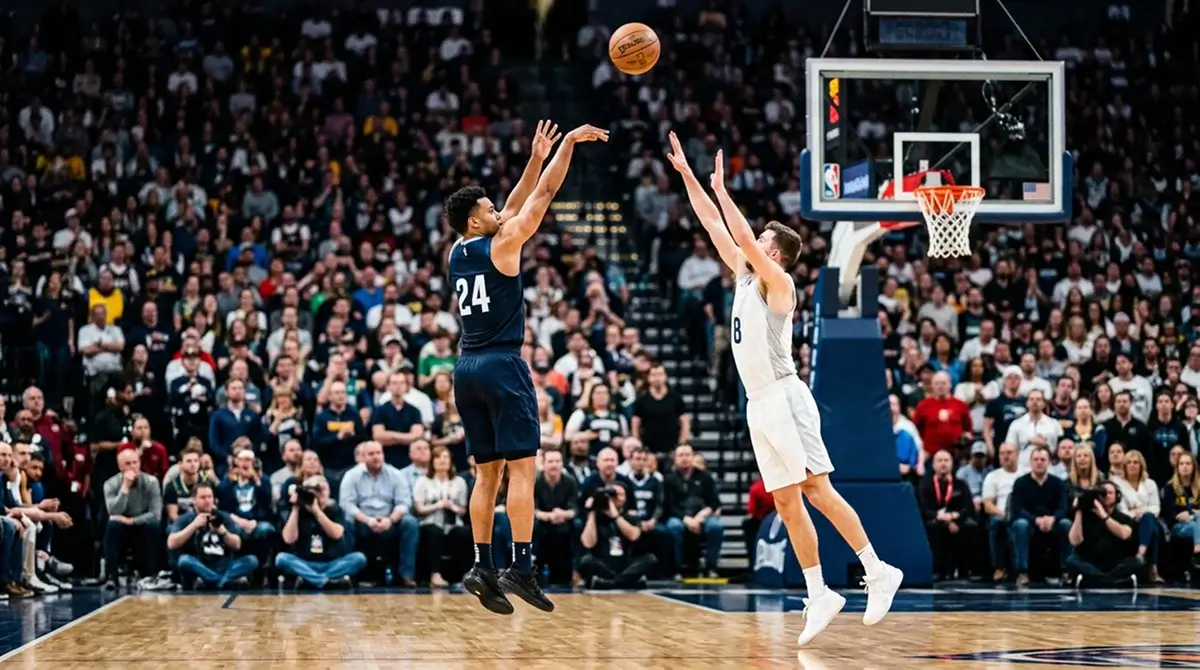
Sometimes, backing an undervalued team outright via NBA moneyline betting offers significantly better returns than taking the points.
Back-to-Back and Travel-Damaged Favourites
The second pattern is the rested dog facing a travelling, fatigued favourite. Modern NBA scheduling has reduced the number of brutal back-to-backs but not eliminated them, and the second night of a back-to-back remains measurably worse for the favourite than the first.
The mechanics are physical. Players who logged 36 minutes the night before and flew to a new city overnight are running on shorter sleep, less recovery and accumulated soreness. Their first-quarter shooting tends to suffer. Their fourth-quarter execution tends to suffer more. Coaches sometimes rest stars on the second night, but even when the stars play, the production is below the team’s typical level.
The market knows this in aggregate. The line for back-to-back spots is shaded in favour of the rested team, but the shade is conservative – it does not fully reflect the magnitude of the disadvantage. The dog moneyline in these spots is often the bet, particularly when the rested team is at home and the back-to-back team has just played a high-leverage game the night before.
The pattern compounds when you stack the back-to-back with travel distance. A west-coast team finishing a road game in Florida and flying to Boston for a 7pm tip is in a worse situation than a Chicago team finishing in Detroit and flying to New York. The market sometimes treats both as “back-to-back” with a uniform adjustment. The bettor who differentiates by travel distance and time-zone change captures additional edge in the more punishing spots. The discipline is checking the schedule, not the headline.
The 19 percent of NBA games that are decided in the fourth quarter, where pace slows and fatigue starts to show, is where this edge concretely manifests – analysis of 2,295 games found that closing minutes are where the tired team’s accumulated wear visibly degrades execution. The bet is not just on the dog winning outright; it is on the dog being more competitive than the public market expects, which often produces a cover even when the upright win does not arrive.
The “Home Dog” Tradition in NBA Markets
The home dog has been a betting subculture for decades, but the modern NBA has changed how it works. Home court advantage is real but smaller than the public assumes. The data over recent seasons puts home court at roughly 2.5 to 3 points, less than the 4-plus points that the casual betting public seems to internalise.
The result is that home dogs of more than 4 points often represent value, because the line has built in more home court adjustment than the underlying advantage supports. A team that is 3 points worse on a neutral court but listed as a 5-point home dog has been given an extra adjustment that the market is over-applying. Backing those home dogs on the spread (and occasionally on the moneyline when the price gets long enough) is a structural edge.
The pattern is most reliable when the home dog is a team with strong defensive identity – a team that can keep games close even against superior opposition because the half-court grind suits their roster. The pattern is least reliable when the home dog is a young or rebuilding team whose performance variance is wide. Discriminating between these subgroups is what turns “always back home dogs” from a slogan into a strategy.
The third pattern within the home dog frame is the post-blowout home dog. A team that lost by 25 in their previous game and is now hosting the team that beat them is often priced as a much bigger dog than their pre-blowout form would have suggested. The market overcorrects for the previous loss, and the home dog price drifts further than the underlying probability supports. Adam Silver’s repeated public emphasis on competitive integrity reflects an understanding that the league’s product depends on competitive matches – “if this game isn’t viewed as being honest and the competition being on the level and at the highest integrity, over time we will lose our fan base. I have no doubt about that,” he said at the NBA Cup Final in December 2025 – and the league’s commitment to scheduling depth makes blowout reactions less informative than the public assumes.
Pairing Dog Picks With Player Props
Dogs do not have to be a moneyline-only proposition. Some of the cleanest dog plays I have made were paired with prop bets that benefited from the same underlying read. If you think a home dog covers because the favourite is fatigued, the favourite’s star scoring under is often the cleaner expression of the bet – fewer minutes, lower usage, fewer makes.
The mechanic is straightforward. The same factors that produce a dog cover – fatigue, travel, schedule density – also produce reduced production from the favourite’s primary scorer. The market often prices the dog cover and the star’s prop independently, but the underlying probability is correlated. Backing both as separate bets compounds the edge if your read is correct, with the caveat that it also amplifies the loss if your read is wrong.
The opposite expression also works. If you think a rested dog covers because their primary scorer is fully fresh against a fatigued opponent’s defence, the dog’s star scoring over is the prop expression of the same bet. The dog’s leading scorer in a favourable matchup against a tired defence often hits the over by enough margin to justify the pairing.
What I have learned the hard way is to keep the pairings small in number – two legs maximum, both built on the same underlying read – rather than stacking five legs into a same-game parlay that becomes a leverage trade rather than a value bet. The discipline is to back what you believe at sensible stakes, not to manufacture a long-shot price by combining things you have no real read on.
Discover which underdogs hold true value by checking the latest analysis on our daily NBA betting guide.
Bankroll Discipline When Chasing Plus Prices
The honest hardest part of backing dogs is the variance. You will lose 55 to 60 percent of dog bets even when your edge is real, because that is what underdog probability looks like. The bankroll arithmetic punishes bettors who do not prepare for the streaks.
The discipline that makes dog betting sustainable is staking discipline. Half-Kelly is the maximum I would suggest for any single dog bet, and quarter-Kelly is more typical for the marginal value plays. The reasoning is that your edge estimate on dogs is noisier than on favourites – you are betting against the consensus, which means your model is doing more work, which means your error bars are wider.
The second discipline is sample-size honesty. A 10-bet sample of dog plays is meaningless. A 50-bet sample is suggestive. A 200-bet sample over a season is informative. If your dog ROI is negative after 200 bets, the read is that your dog selection is not actually identifying mispriced lines, and the strategy needs revisiting. If your dog ROI is positive after 200 bets, the read is that the strategy works for you and the next 200 bets are more of the same.
The third discipline is psychological. Dogs lose more than they win, and a five-bet losing streak on dogs is statistically normal even with a sound strategy. Bettors who tilt-bet during these streaks – increasing stake to “win it back” or switching to favourites because the dogs aren’t paying – destroy the long-run edge faster than they built it. The bet that survives the streak is the bet that pays for the season.
Dog strategy is not glamorous. The wins feel sweet but they arrive infrequently, and the losses arrive in clusters. The bettors who make it work treat each bet as a small piece of a long-run framework rather than a standalone proposition. The reward for that patience is that dog edges are some of the most stable structural inefficiencies in the NBA market – the public bias does not fully self-correct, and the bettor who keeps showing up to back the right dogs keeps capturing the same edge year after year. The natural next step from this framework is studying the schedule fatigue patterns themselves more closely, which I have written about in my back-to-back betting piece.
FAQ
Are NBA home dogs really profitable in 2025/26?
The structural edge exists but has narrowed as the UK and global markets have become more efficient. Home dogs of more than 4 points remain a defensible category, particularly for teams with strong defensive identity. Indiscriminately backing every home dog is no longer profitable – selectivity is what turns the pattern into ROI.
Should I back dogs only on the spread or also moneyline?
Mostly spread, occasionally moneyline. The spread captures the structural edge with lower variance, because the dog covering is more likely than the dog winning outright. The moneyline becomes interesting only when the price gets long enough that even a 35 to 40 percent outright win probability represents value, which usually requires a moneyline at +180 or longer.
Prepared by the bet of the day nba editorial staff.